Konjac, Shirataki, and Porang Rice: What’s the Difference?
Posted on December 22, 2025
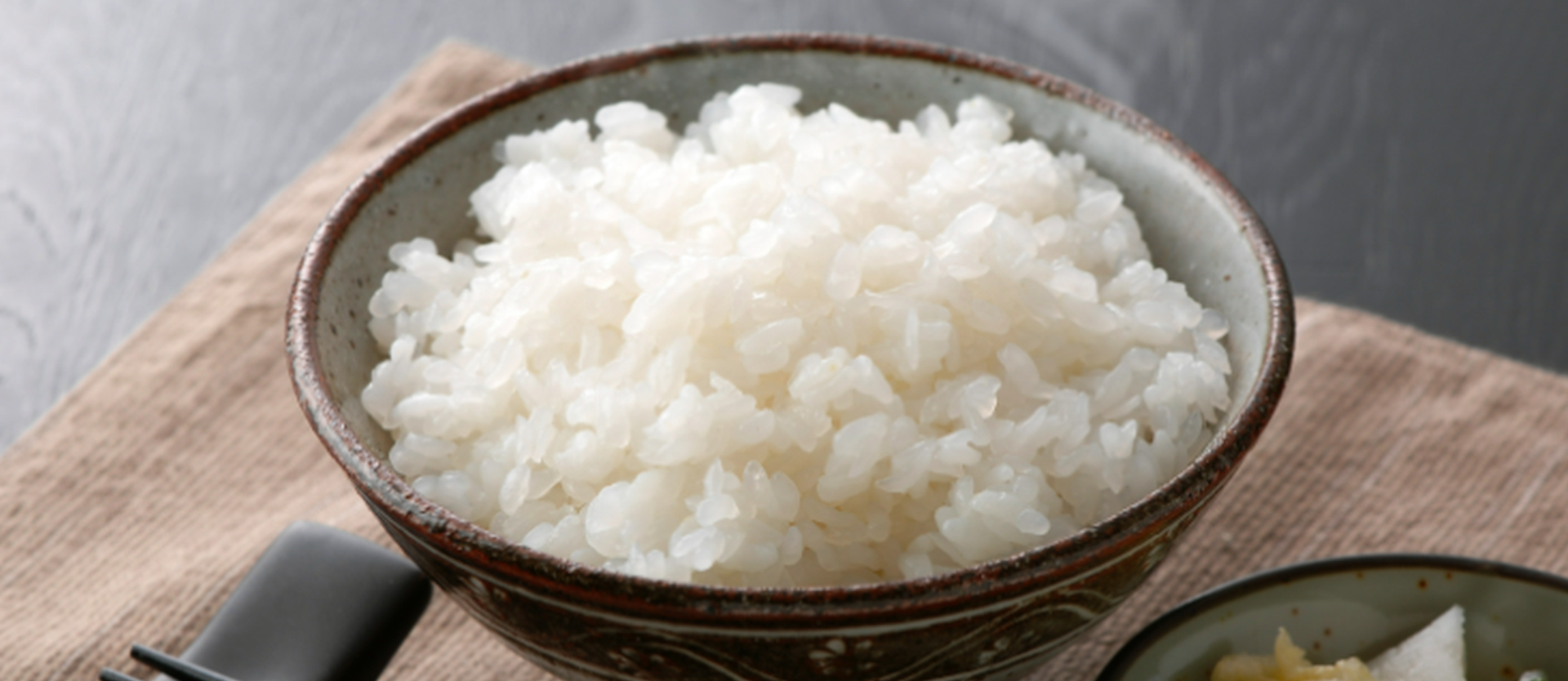
When you start looking for "diet rice" on the internet, you will inevitably be bombarded with three foreign terms: Konjac, Shirataki, and Porang. They look similar (often clear white or milky white), serve the same function (for diet), but their prices can vary greatly.
Many people think all three are the same thing. In reality, there are fundamental differences in terms of origin, texture, and processing. Choosing the wrong one can make your diet experience unpleasant due to taste or texture that doesn't fit your palate.
Let's thoroughly dissect the differences so you can choose the best one.
1. Konjac: The Mother Plant
Konjac (pronounced: Kon-yak) is actually the common name for tuber plants of the genus Amorphophallus konjac. This plant grows abundantly in East Asia (Japan, China, Korea).
So, when you see a label "Konjac Rice" or "Konjac Jelly", it means the product is made from the flour of the konjac tuber.
- Characteristics: This tuber is rich in a water-soluble fiber called Glucomannan.
- Function: The main base ingredient for making both shirataki and porang rice.
2. Shirataki: Traditional Japanese Produce
Shirataki is the name of processed products from konjac flour originating from Japan. The literal meaning is "White Waterfall", referring to its original form which is long clear noodles.
- Form: Generally wet noodles (soaked in water) or wet “rice” which is actually noodles cut into small pieces.
- Texture: Very chewy, slippery, and slightly rubbery.
- Drawback: Usually sold in wet packaging that has a fishy lime water smell and must be washed repeatedly before cooking.
3. Porang Rice: Indonesia’s Proud Innovation
Now, here is the main star. Porang (Amorphophallus muelleri) is a close relative of konjac that grows natively in the tropical forests of Indonesia.
If shirataki is a traditional Japanese wet product, Dailymeal Porang Rice is the result of modern Indonesian food technology innovation.
- Form: Dry rice grains (instant).
- Texture: More like real rice— not as chewy as wet shirataki, but fluffier and softer like white rice.
- Advantage: No fishy smell, no need to wash, and very practical preparation (just brew with hot water).
Which Is Best for You?
- Choose Wet Shirataki if: You like a chewy, jelly-like texture and have extra time to wash and process it to remove the smell.
- Choose Dailymeal Porang Rice if: You are looking for a rice substitute that is most similar to white rice, practical to carry anywhere because it is dry, and want to support local Indonesian farmers.
Conclusion
Although coming from the same plant family, Porang Rice is a more perfected evolution of shirataki for the Indonesian palate. With Dailymeal, you get the diet benefits of shirataki (low calorie) with the enjoyment of fluffy Indonesian rice.