Porang Rice vs Red Rice: Which One Helps You Lose Weight Faster?
Posted on January 16, 2026
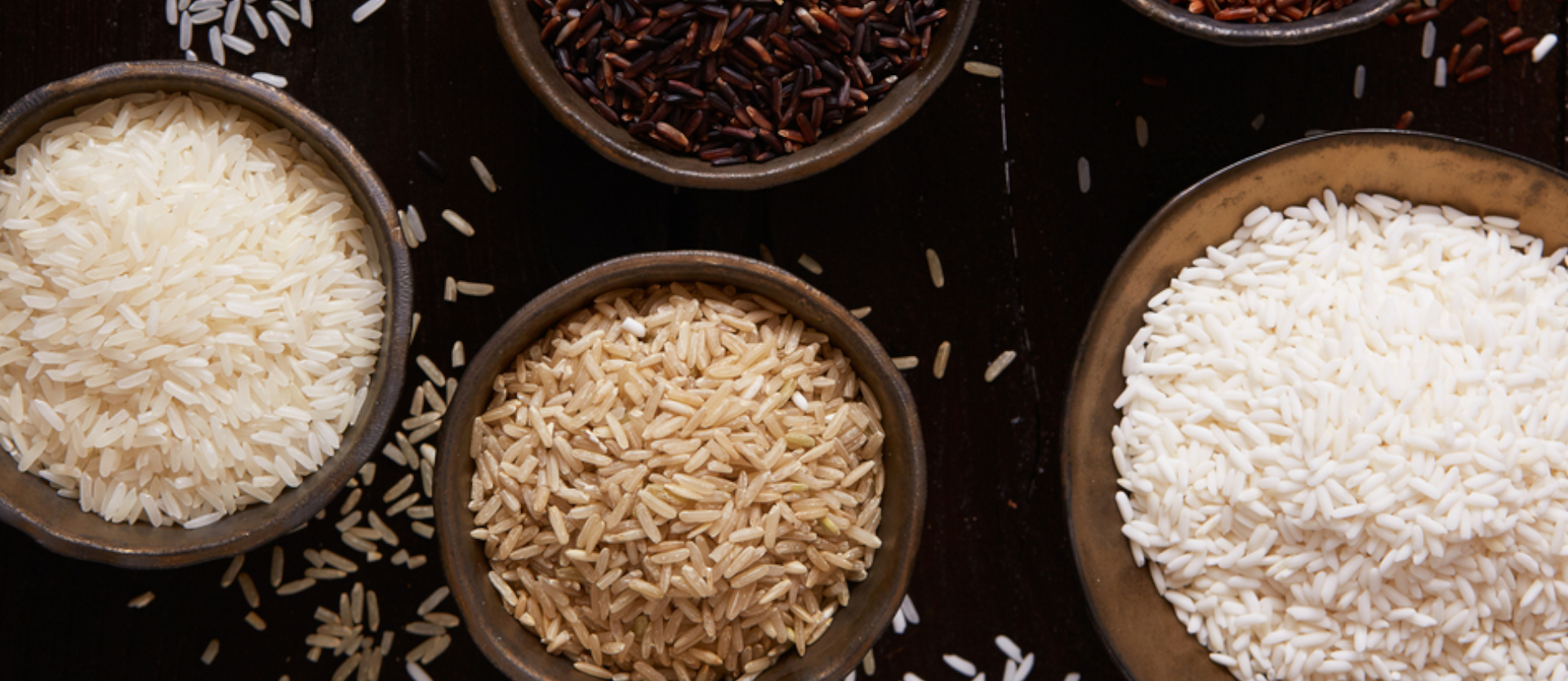
For years, red rice (brown rice) has held the throne as the “mandatory food” for anyone wanting to lose weight. Its high fiber content is proven to be better than white rice.
However, recently a viral new challenger has emerged: Porang Rice such as Dailymeal. Many testimonials claim that weight loss happens faster when switching to porang rice.
Is this just marketing hype, or is there scientific fact behind it? If your main goal is losing weight quickly, let’s pit these two types of rice in four crucial rounds.
Round 1: Calorie Count (The Calorie Deficit)
The main law of weight loss is Calorie Deficit (Calories In < Calories Out).
- Red Rice (Cooked): Contains about 110–130 kcal per 100 grams.
- Porang Rice (Cooked): Thanks to its high water and fiber content, calories can be as low as 70–90 kcal per 100 grams (depending on water ratio).
Winner: Porang Rice. With the same portion size, you save more calorie allowance by eating porang rice.
Round 2: Satiety (Feeling Full)
Diets often fail because of hunger. Which one keeps you full longer?
- Red Rice: Relies on coarse fiber (insoluble fiber). The stomach may feel bloated, but the urge to chew often remains.
- Porang Rice: Contains glucomannan, a water-soluble fiber that expands into a gel in the stomach and delays gastric emptying.
Winner: Porang Rice. Its expanding effect makes you less tempted to snack in the afternoon.
Round 3: Comfort & Taste (Compliance)
The best diet is the one you can follow consistently in the long term.
- Red Rice: Texture tends to be hard (pera) with a slightly musty or bitter taste. Many people quit because of the dry throat sensation.
- Dailymeal Porang Rice: Fluffy, chewy texture with a clean white color. Neutral taste similar to Japanese white rice.
Winner: Porang Rice. Better taste means less mental burden and higher diet adherence.
Round 4: Micronutrients
- Red Rice: Rich in natural Vitamin B, Iron, and Zinc due to its intact bran layer.
- Porang Rice: Focuses more on fiber content, while Dailymeal ensures balanced nutrition.
Winner: Red Rice for natural vitamin density.
Conclusion: Which Is Faster?
If the goal is purely weight loss speed, then Dailymeal Porang Rice is the clear winner. Lower calories combined with the glucomannan satiety effect make calorie deficits much easier to achieve without torturous hunger.
However, red rice remains a good and economical choice. Our recommendation: use porang rice as your main strict diet menu for fast results, then rotate it with red rice or corn rice for nutritional variety.