Brown, Red, or Black Rice: Which One Is Best for Your Health?
Posted on January 23, 2026
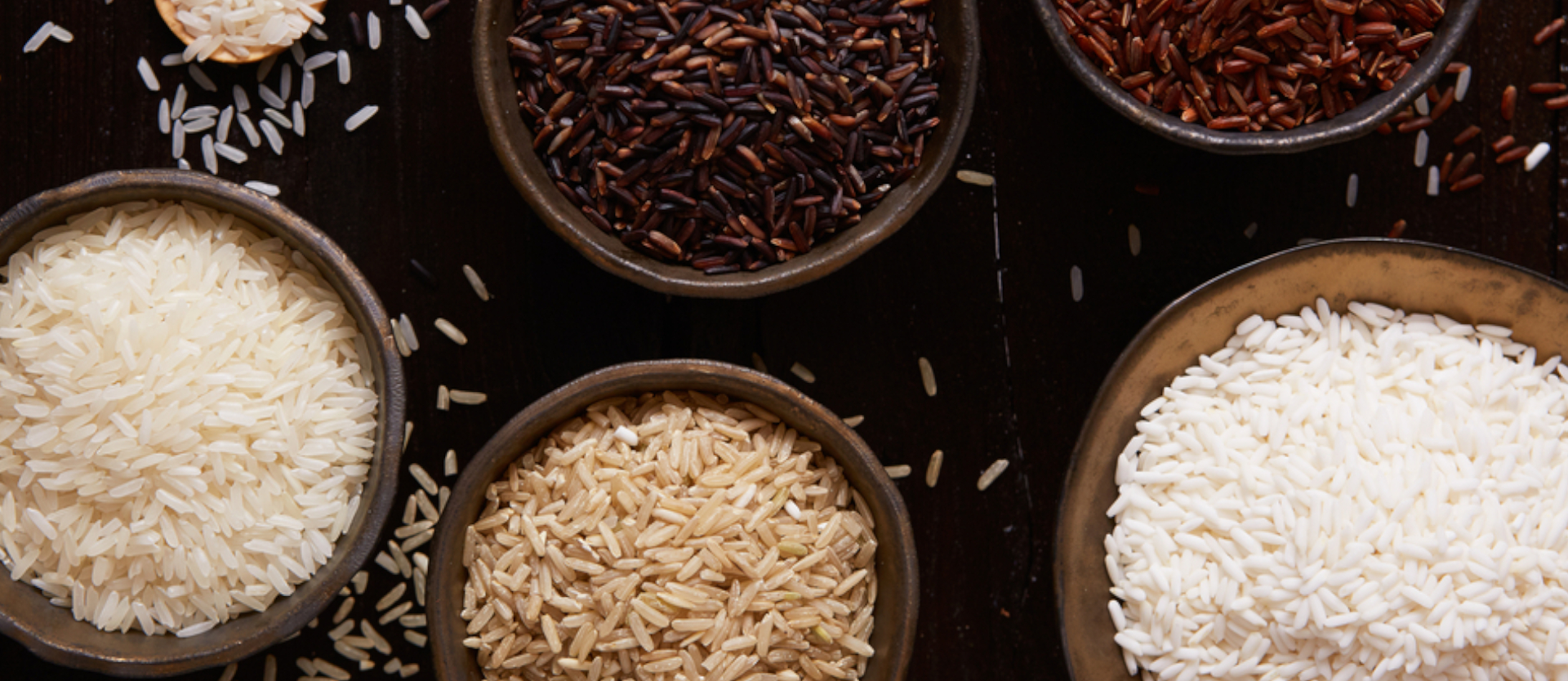
When you walk down the supermarket rice aisle, you will find more than just white rice. Brown, red, and black rice stand out with their colors and are often grouped together as “healthy rice.”
In reality, these three types of rice have very different nutritional profiles, textures, flavors, and health benefits. Choosing the right one depends on your body’s needs and lifestyle.
Let’s break down the differences so you can decide which rice fits you best.
1. Brown Rice – The Beginner
Brown rice is essentially white rice with its bran layer intact, giving it a dull brown color.
Pros:
Rich in dietary fiber,
Vitamin B complex,
and Magnesium.
It is usually
the most affordable option
among colored rice varieties.
Cons:
The texture is slightly rough
with a nutty taste.
It also has
the lowest antioxidant content
compared to red or black rice.
Best for:
People who are just starting
to switch
from white rice
to a healthier alternative.
2. Red Rice – The Balanced Choice
The red color of red rice comes from anthocyanin, the same antioxidant found in strawberries and red apples.
Pros:
Red rice contains
up to 10 times more antioxidants
than brown rice.
It is highly effective
in lowering bad cholesterol (LDL)
and supporting heart health.
Common Cons:
Traditional red rice
usually has a very hard
and dry texture,
making it difficult
to enjoy daily.
Dailymeal Solution:
Dailymeal Red Rice
is specially formulated
to retain
high antioxidant benefits
while offering
a Fluffy & Soft texture
similar to white rice.
This makes it
the most balanced choice
for everyday consumption.
Best for:
Heart-healthy diets,
cholesterol control,
and sustainable weight management.
3. Black Rice – The Superfood (Forbidden Rice)
Black rice has a deep black color that turns purple when cooked, indicating extremely high anthocyanin content, similar to blueberries.
Pros:
The densest nutritional profile,
strong anti-inflammatory properties,
and the lowest glycemic index
among the three.
Cons:
It is the most expensive option,
has the hardest texture,
and requires very long cooking time,
often needing overnight soaking.
The earthy taste
may not suit everyone.
Best for:
Serious health therapy
or occasional menu variation,
rather than daily meals.
Conclusion: Which Should You Choose?
If you prioritize maximum nutrition regardless of taste and price, black rice is the clear winner.
However, if you are looking for the best balance between enjoyable taste, reasonable price, and optimal health benefits such as antioxidants and fiber, then Dailymeal Red Rice is the smartest choice.
Remember, the best diet is not the one that tortures you, but the one you can enjoy every single day.