What Is Glycemic Index? An Easy Guide for Diabetes Beginners
Posted on December 22, 2025
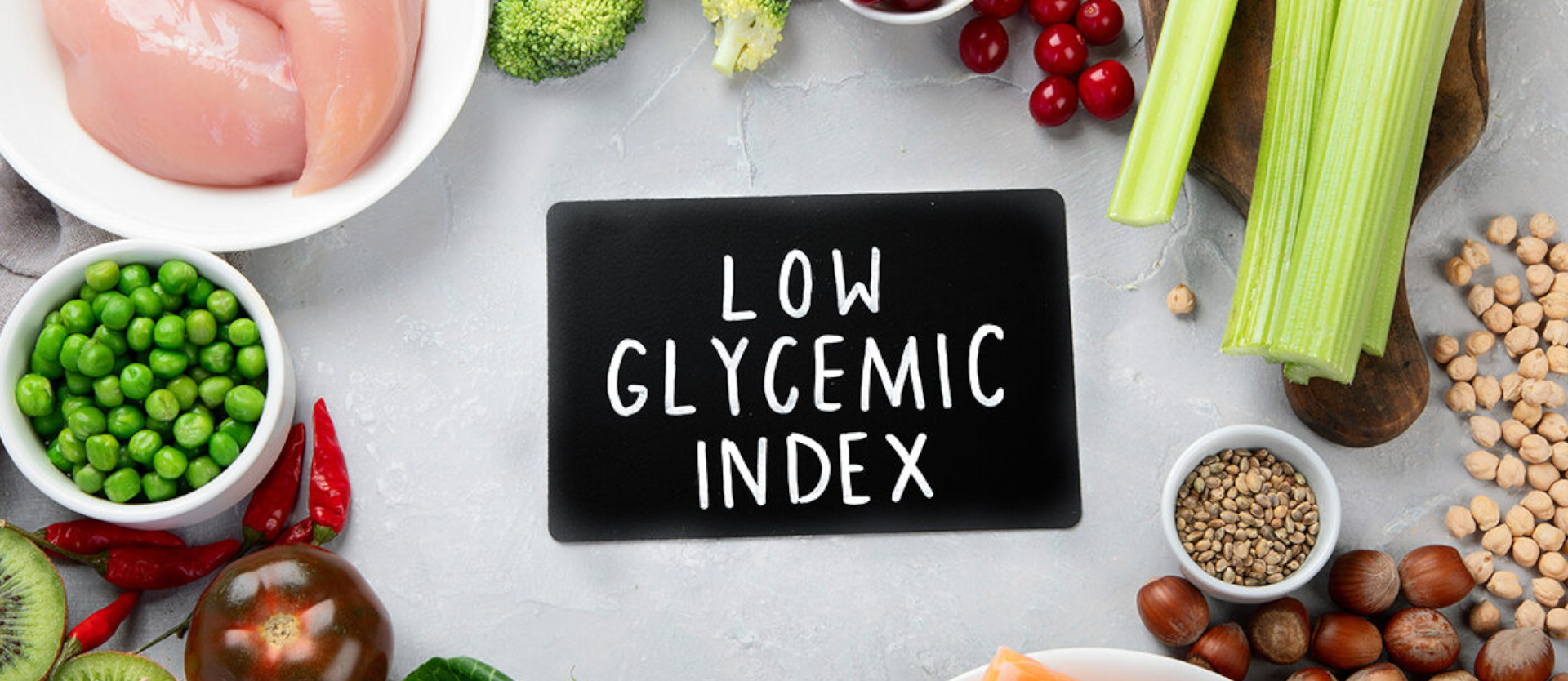
For those of you recently diagnosed with diabetes or pre-diabetes, the term "Glycemic Index" (GI) might sound familiar. Doctors recommend it, nutritionists insist on it, but what exactly is it?
Simply put, the Glycemic Index is a "traffic light" for diabetics when choosing carbohydrates.
Choosing the wrong high-GI foods can cause your blood sugar to spike drastically in minutes. Conversely, understanding how to read the glycemic index chart is the key to living calmly, staying full, and keeping blood sugar controlled.
Let's break down this medical term into easy-to-understand language.
What Is Glycemic Index?
Glycemic Index is a ranking system (scale of 0 to 100) that measures how quickly carbohydrate-containing foods raise your blood sugar levels after eating.
Imagine your body like a car:
- High GI Foods (Rocket Fuel): Burned very quickly. Blood sugar "speeds" up high (hyperglycemia), then crashes drastically (hypoglycemia/feeling weak).
- Low GI Foods (Premium Fuel): Burned slowly. Energy is released gradually, keeping blood sugar stable and making you feel full longer.
How to Read Glycemic Index Numbers
To make it easier, experts categorize foods into three color zones:
-
Low GI (0 - 55) -> GREEN ZONE (Safe)
These foods are digested slowly. Highly recommended for a diabetic's daily menu.- Examples: Corn rice (Dailymeal), red rice, apples, broccoli, nuts.
-
Medium GI (56 - 69) -> YELLOW ZONE (Caution)
Can be consumed, but limit the portion.- Examples: Pineapple, honey, certain types of brown rice.
-
High GI (70 and above) -> RED ZONE (Danger)
These foods cause instant blood sugar spikes. Avoid or consume very little.- Examples: Fluffy white rice, white bread, watermelon, french fries.
Glycemic Index Table of Indonesian Staple Foods
Here is a simple comparison of staple foods we often encounter daily:
| Food Type | GI Value (Estimate) | Category |
|---|---|---|
| Regular White Rice | 73+ | High (Red) |
| White Bread | 75 | High (Red) |
| Dailymeal Corn Rice | ±43 | Low (Green) |
| Red Rice | 50 - 55 | Low (Green) |
| Boiled Cassava | 55 | Low (Green) |
Why Choosing "Low GI" Matters for Diabetes Beginners?
Many diabetes beginners make a fatal mistake: Stopping rice consumption completely.
As a result, the body feels weak, dizzy, and eventually "takes revenge" by overeating at night. The right strategy is not to eliminate carbohydrates, but to replace them with low-GI complex carbohydrates.
This is why innovations like Corn Rice Dailymeal have become a popular solution. With a low GI (±43), you can still enjoy the sensation of eating fluffy and delicious rice without guilt or fear of rising blood sugar.
Simple Tips to Control Blood Sugar
- Swap Your White Rice: Start switching to corn rice or cassava rice which have a lower GI.
- Watch Cooking Methods: Porridge (bubur) has a higher GI than regular rice because it is easier to digest. Avoid cooking foods until they are too mushy.
- Combine with Fiber: Always eat carbohydrates with vegetables. Fiber helps slow down sugar absorption.